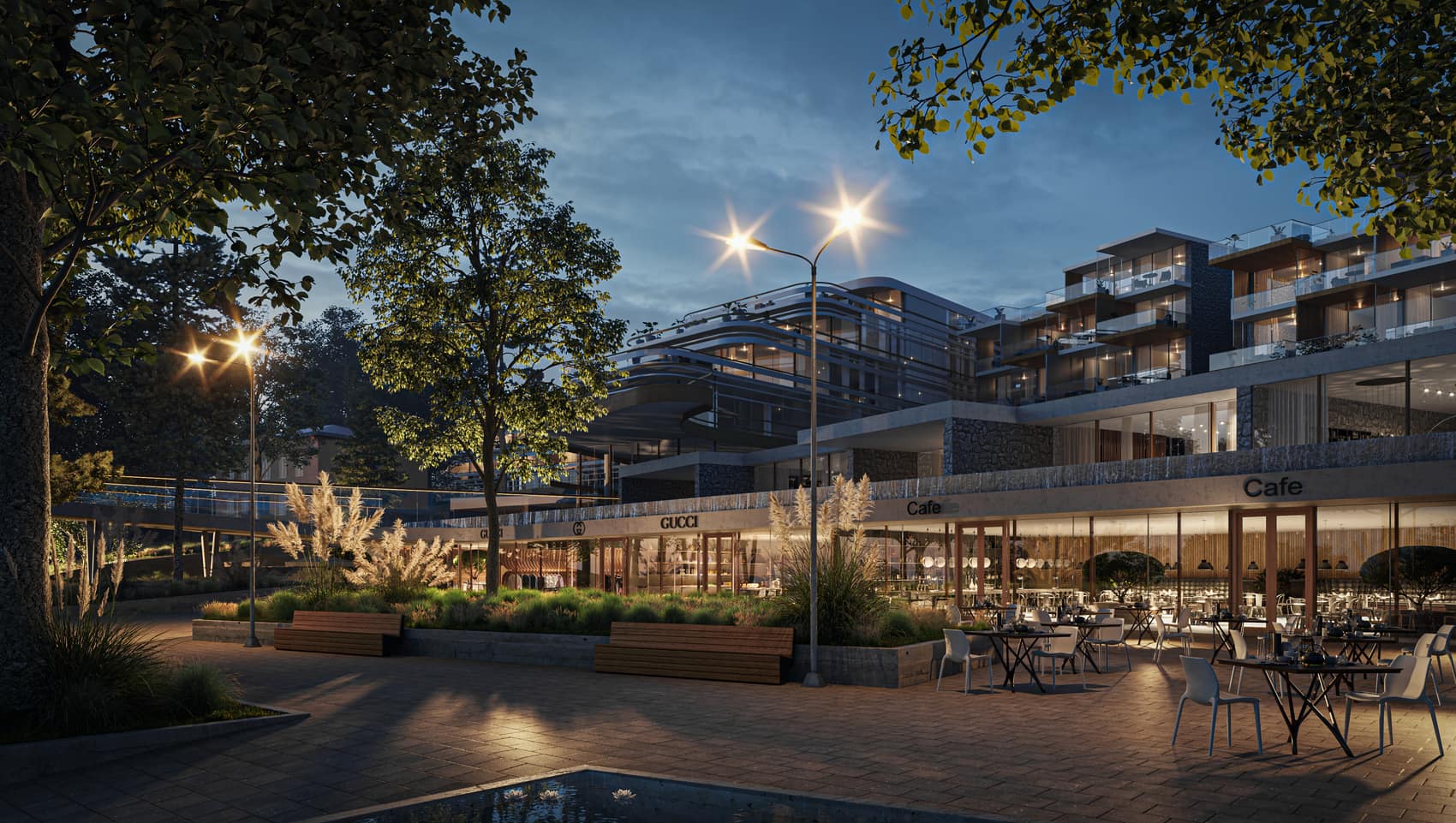
The completed Marriott Ičići complex at dusk
Case study · Hospitality development

The first Marriott in Croatia.

A complex coastal site on the Opatija Riviera, taken to a 185-key branded destination as one accountable process.

Location
Ičići, Opatija · Croatia
Asset
Hotel, villas & mixed-use resort
DDG role
Development & construction management
Scroll
01 — At a glance

Six numbers decide
whether an investor reads on.

Scale, capital and duration go first. Everything after this is the argument for why they were hard to achieve.

185Units delivered · 176 rooms, 3 apartments, 6 villas
22.500Gross development area
100MTotal project value
XXMonths, mandate to handover
XXConsultants & contractors
What to supply
  • Five to seven figures, no more. Each one has to survive an investor asking where it came from.
  • Still missing here: total duration in months, consultants and contractors coordinated, permits obtained, construction phases.
  • One figure, one short label. No sentences, no footnotes, no percentage without a stated base.
  • If a number is confidential, swap it for GDA, keys or duration. Never for an adjective.
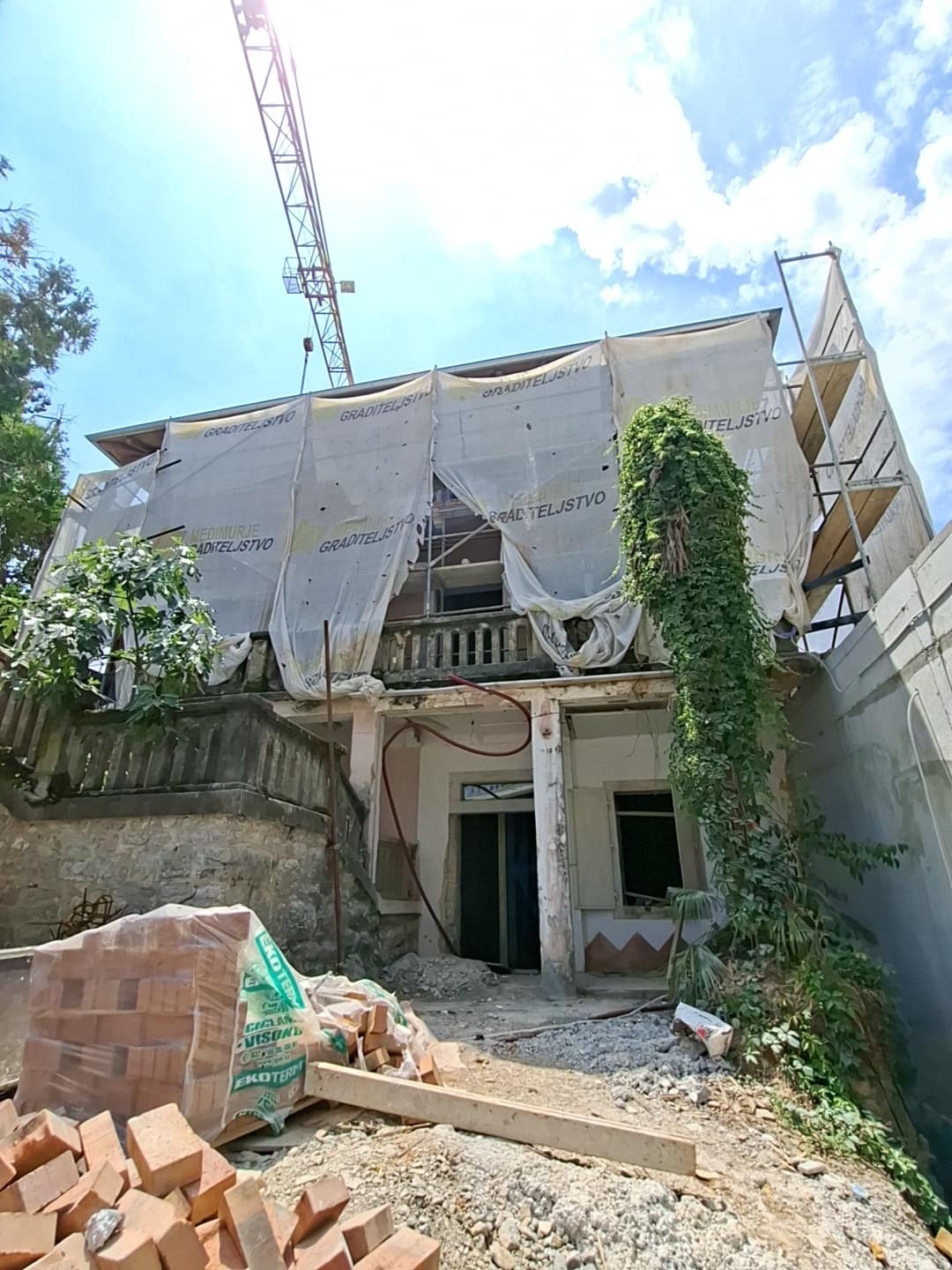
The original villa on the site before works began
The site before works
02 — The opportunity

A location everyone knew. A project nobody had solved.

Two or three sentences on what stood on the site, who owned it, and why it had stayed undeveloped for as long as it did.

What the investor wanted to achieve, in their words: asset class, return horizon, brand ambition. This is the paragraph that tells a reader with a similar site that DDG has already solved their problem.

The starting point

One factual line: site area, existing built area, zoning designation and ownership position when DDG was engaged.

What to supply
  • Three short paragraphs, roughly 90 words each. Factual, no marketing adjectives.
  • The honest "before" photograph, aerial if one exists. This image carries the whole section, so it should not be a flattering one.
  • Documents that help: the original site plan, the cadastral extract, the first massing study.
  • One factual caption: site area in m², existing built area, zoning, ownership.
03 — The challenge

Five reasons this project could have stalled.

Nobody hires a developer because a project was easy. This section is where the fee justifies itself.

01

Planning & permitting

The zoning, spatial-plan or permitting constraint that had to be resolved before anything could be built, and how long it had blocked the site.
02

An operator's standard

What Marriott's brand standards imposed on the design, the technical specification and the programme, and what had to change to meet them.

03

Heritage structures

The protected or existing structures that had to be preserved, and what that meant for the structural solution and the schedule.

04

Capital & feasibility

The commercial target the project had to hit to be financeable, and the constraint that made it tight.

05

Programme pressure

The fixed date the project was working against, an operator opening season for example, and what was at stake if it slipped.

What to supply
  • Three to five obstacles, 35 to 50 words each. Each needs a consequence, not a description of normal work.
  • The test: could a competitor write the identical sentence about any project? "Coordination of many stakeholders" is filler. "Eleven land parcels under six owners" is a case study.
  • Name the obstacle in the title, not the discipline.
04 — The process

From concept to completion.

Five stages, five images. A reader should be able to follow the project without reading a word.

Site assessment
01Opportunity

Site & development assessment

What was assessed and what it concluded.
Development concept
02Concept

Development strategy

The programme chosen and why: keys, villas, retail, F&B.
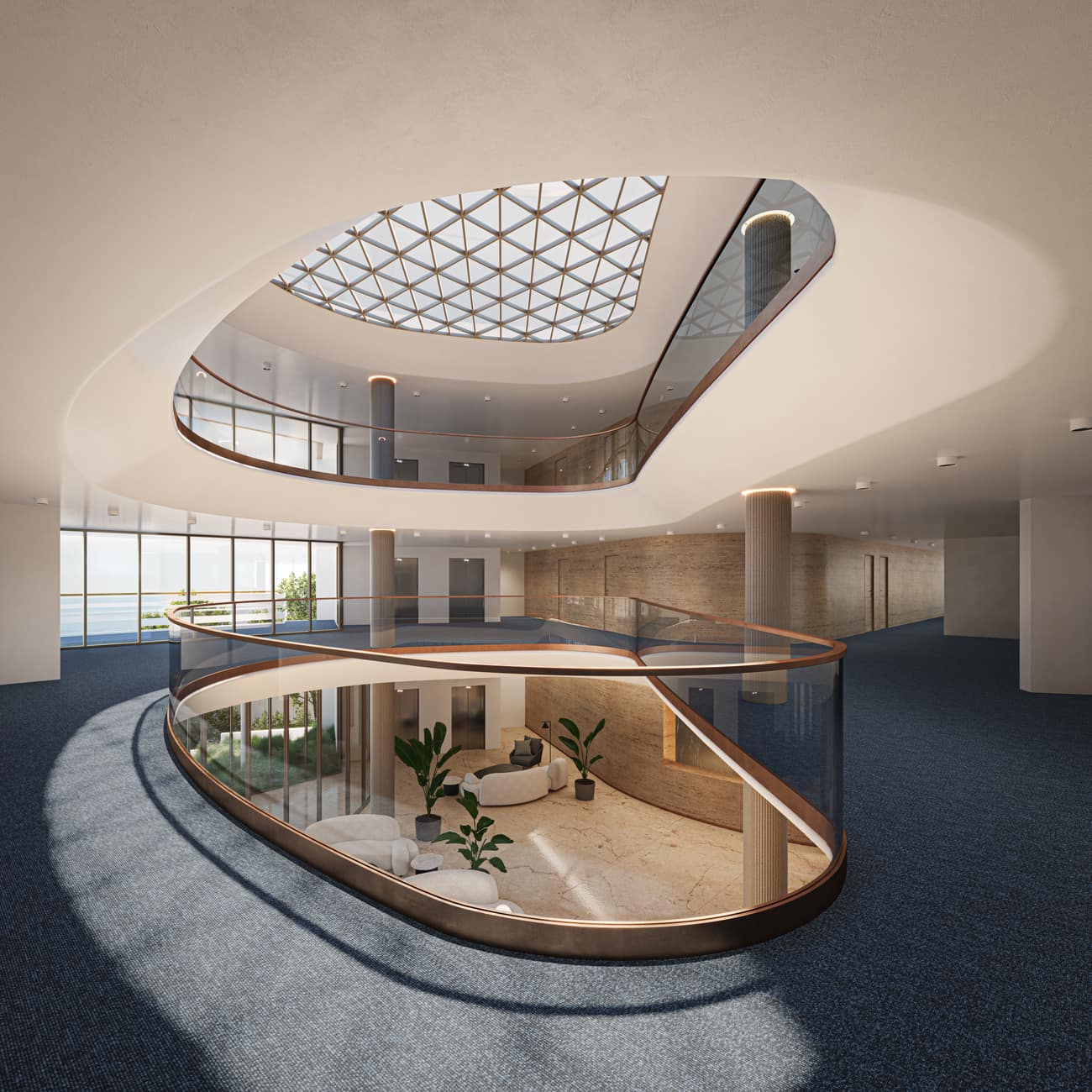
Architecture and engineering
03Design

Architecture & engineering

Design team, operator technical services, permit documentation.
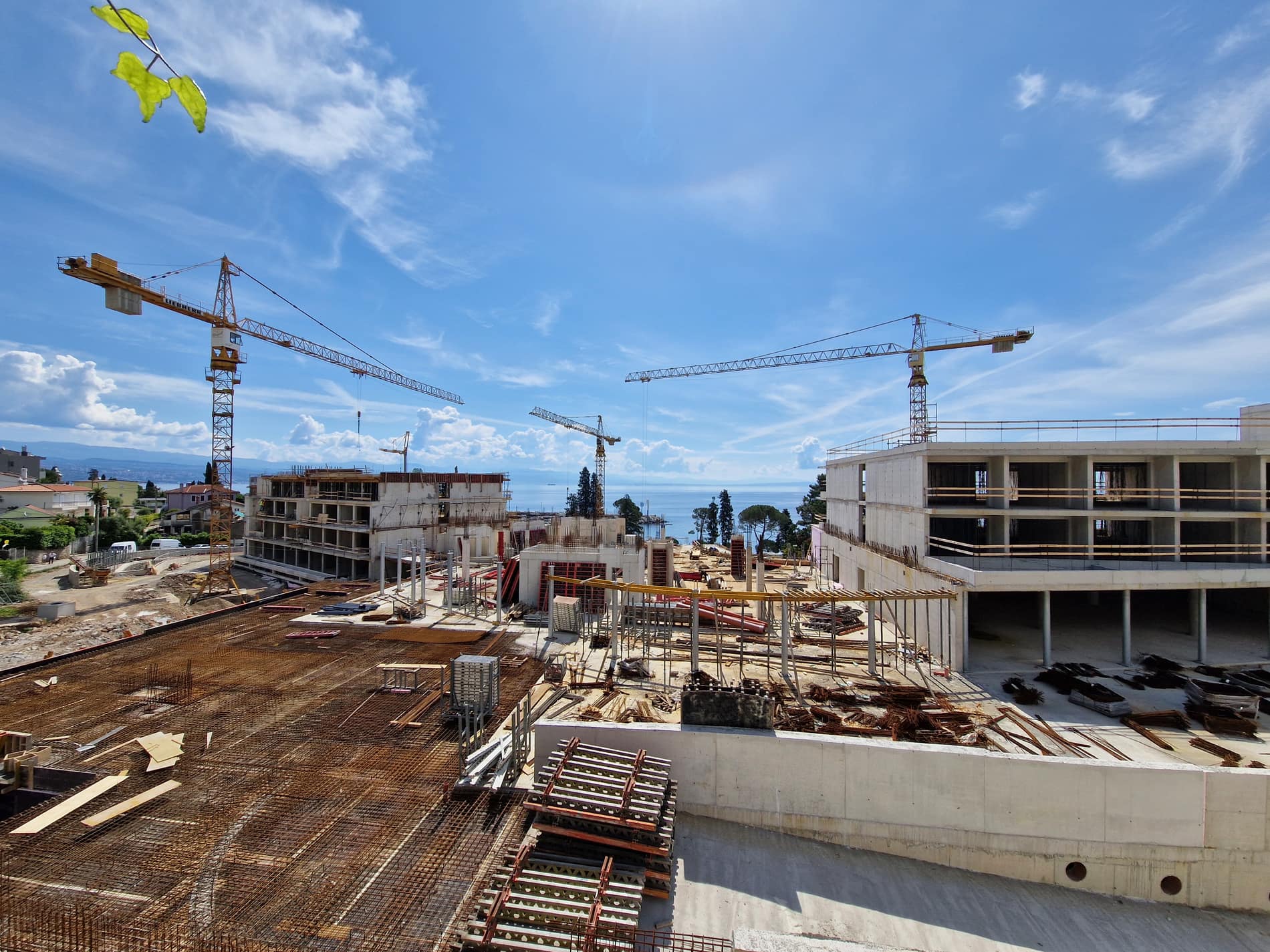
Construction delivery
04Delivery

Project & construction management

Contracting model, site organisation, cost and quality control.
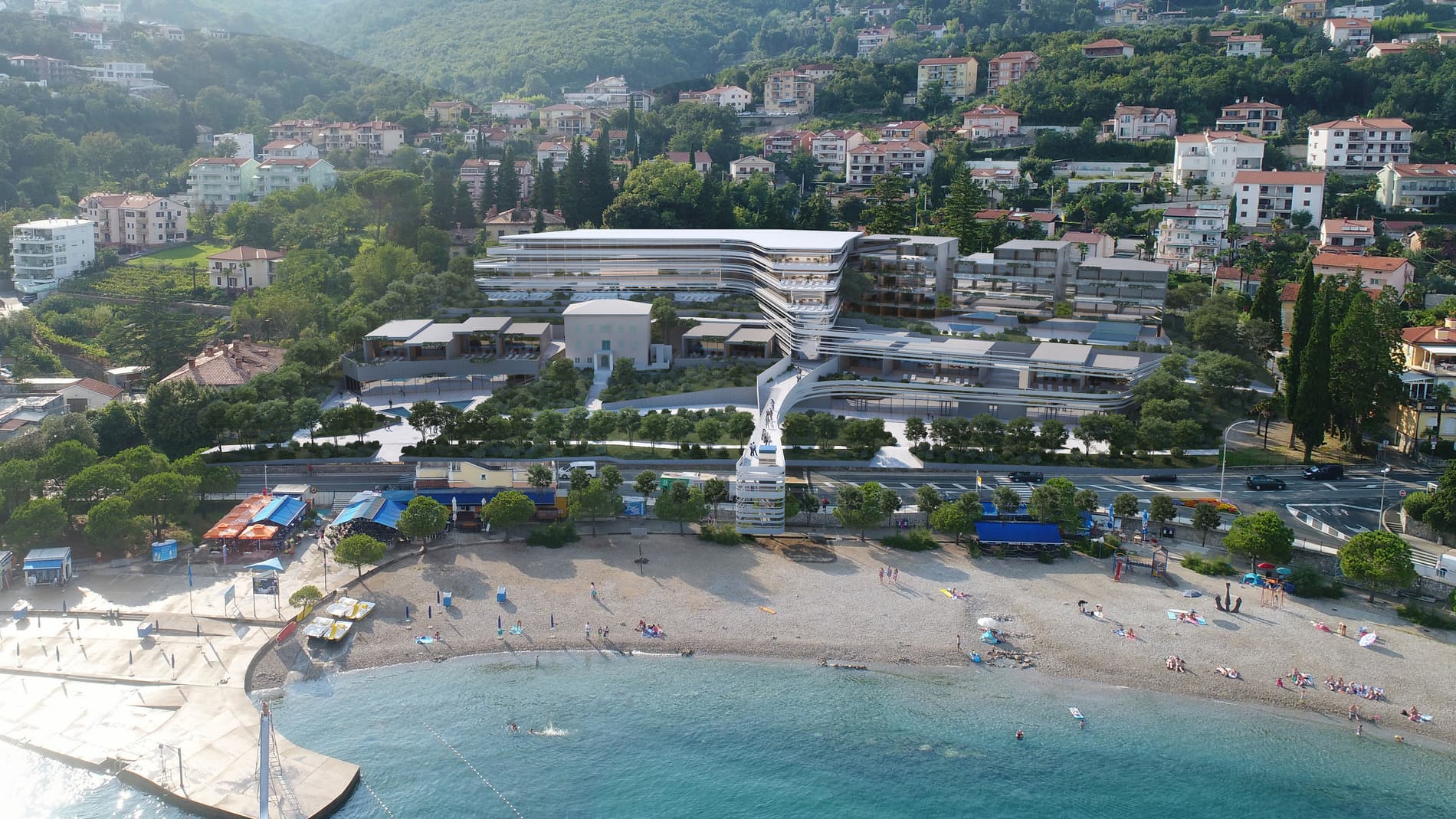
Completed project
05Completion

Handover & opening

Technical acceptance, operator handover, opening date.

What to supply
  • One image per stage, and it must belong to that stage: site, masterplan or render, drawing, construction, final.
  • One sentence per stage, 20 words maximum. This section is read visually.
  • The best material by far: the same viewpoint photographed at all five stages.
05 — Transformation

Same coastline.
A different future.

The site during construction The completed complex BeforeAfter

One paragraph on what physically changed on this site.

Then the change that mattered commercially: what the location can now do that it could not do before, and what that did to its value.

What to supply
  • The critical requirement: two photographs from the same position and focal length, one before works and one after completion. A matched pair beats ten unmatched images.
  • If no matched pair exists, use the earliest and the final aerial, and label both honestly.
  • Two paragraphs, about 60 words each. One physical, one commercial.
06 — The mandate

One project. One team. Every discipline.

An owner hires DDG so they do not have to assemble and referee this themselves.

Development
Investment advisory
Feasibility & market analysis
Planning & permitting
Architecture & engineering
Project management
Construction management
Operator coordination

DDG's role on Marriott Ičići

What DDG was formally appointed to do, and from which point. Name the contractual role, not an activity list.

Which decisions sat with DDG rather than the investor: budget authority, contractor selection, design approvals, change control.

Who held the operator relationship. This is the paragraph that separates DDG from a supervising engineer.

What to supply
  • Only the disciplines actually delivered here. A full service list on every case study makes all of them read as marketing.
  • Write about responsibility, not services. "We coordinated" is weak. "Contractor selection and change control sat with DDG" is strong.
  • Useful detail: the contractual form of appointment, the size of the DDG team, how long they were on site.
07 — The journey

From first assessment to final delivery.

20XX

Initial assessment

What DDG was asked to look at, and what the first assessment concluded.

The site before works
20XX

Development concept

Programme and positioning agreed with the investor, and the operator track chosen.

Concept / masterplan
20XX

Planning & permitting

Approvals obtained and the date the building permit was issued.

Site plan or permit drawing
20XX

Design development

Design team appointed, operator technical review, tender documentation completed.

Architectural render
20XX

Construction begins

Contractor appointed, works commenced, peak headcount on site.
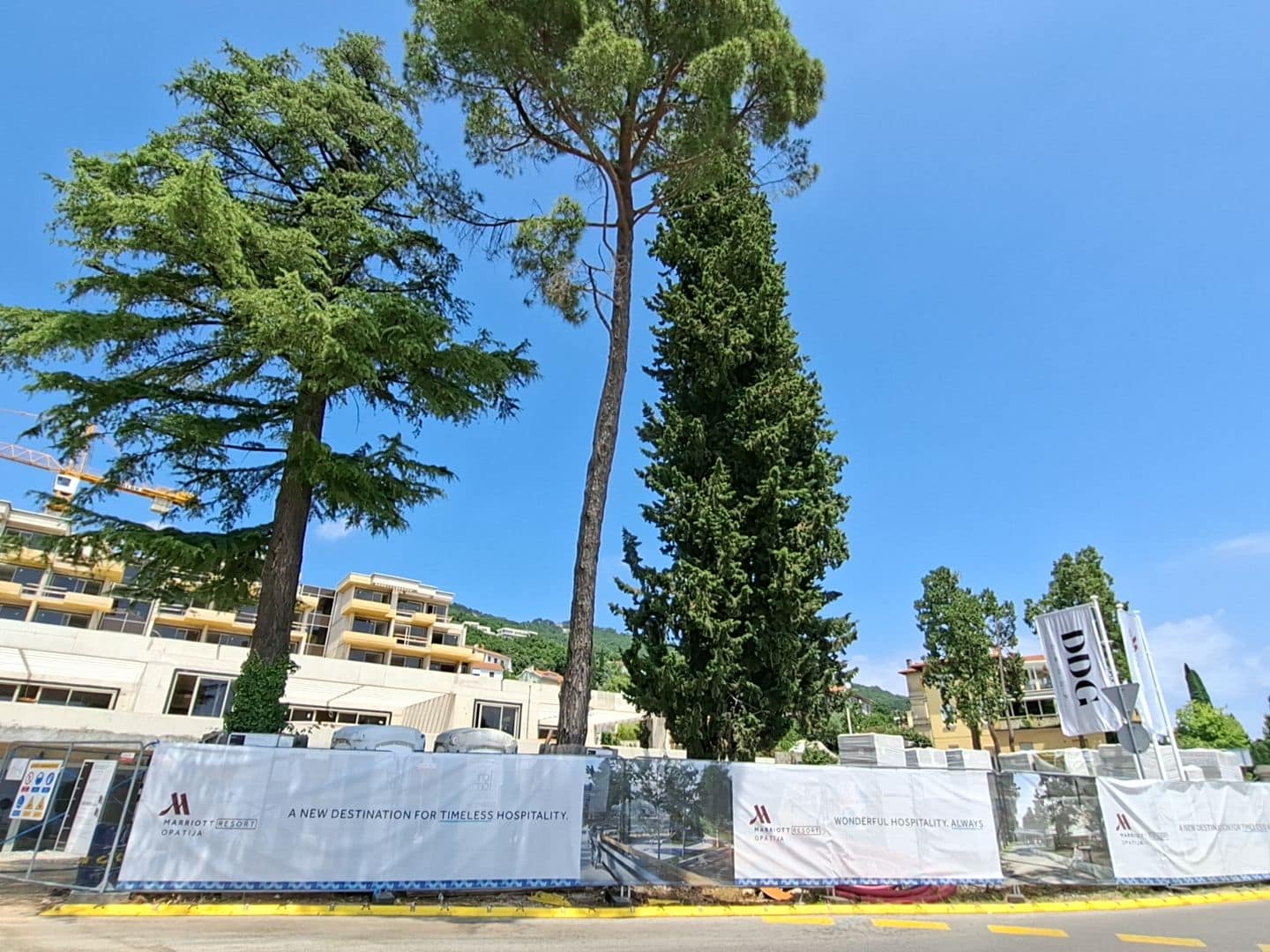
Construction underway
20XX

Completion & handover

Technical acceptance, handover to the operator, opening.

The completed complex
What to supply
  • Six milestones maximum, each with a real date. Vague years here destroy the credibility of every number above.
  • One or two sentences each, and an image only where a real one exists. An empty slot beats a generic photo.
  • The dates worth having: mandate signed, permit issued, works started, topping out, technical acceptance, opening.
08 — The decision

When the problem threatened to change the project.

Every strong case study has one moment where the outcome was genuinely at risk. This is the section investors remember.
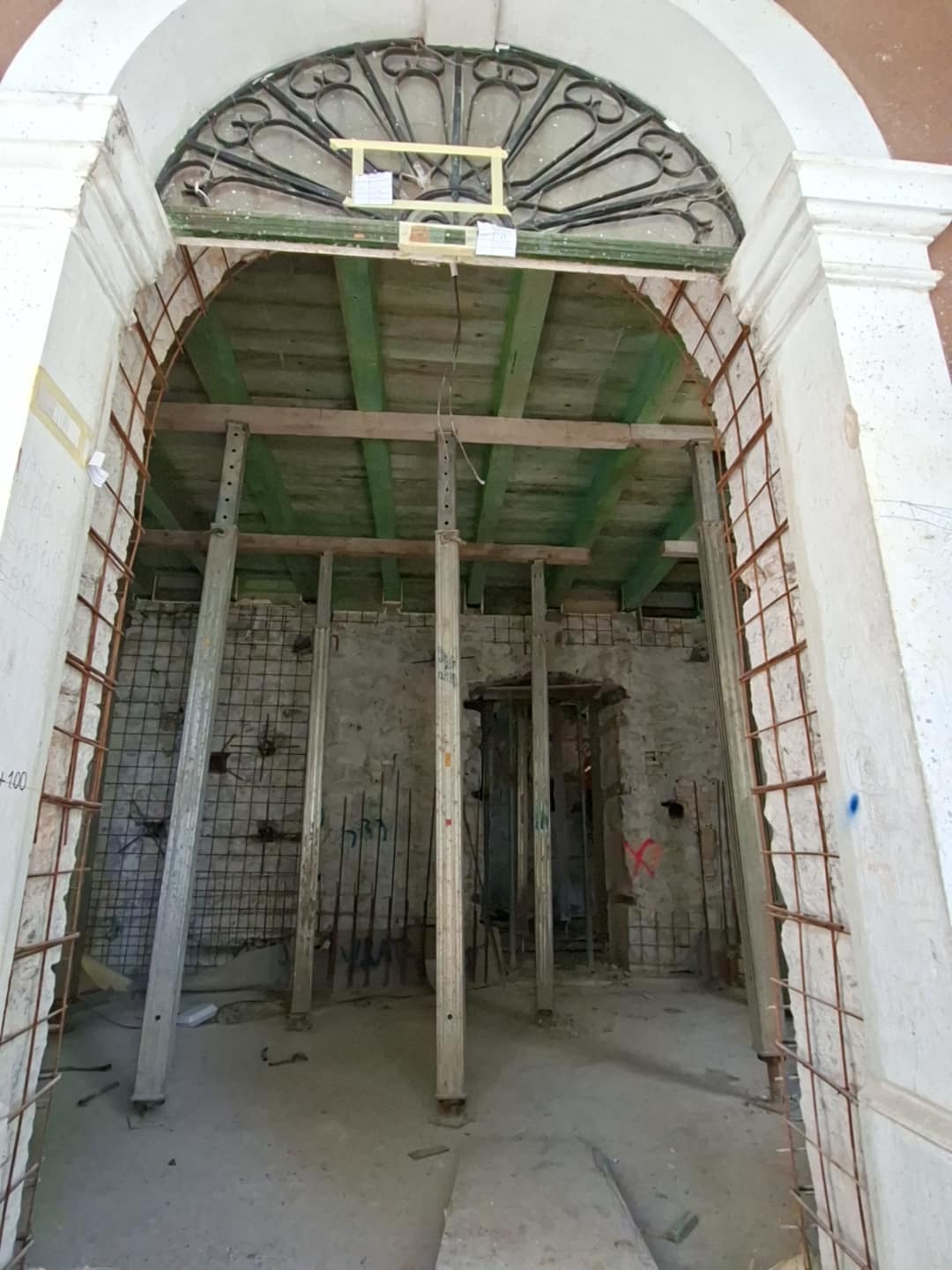
An existing structure preserved and reinforced during the works
The moment it could have gone another way
The challenge

What happened, when, and what it would have cost in time or money if nothing had been done.

The decision

What DDG proposed and decided, who had to be convinced, and what the alternative was.

The result

What measurably changed because of that decision.

XXMonths saved on the programme
XX m²Additional development potential
XX %Cost avoided against the original solution
What to supply
  • One story only. Three good ones are weaker than a single one told properly.
  • Challenge, decision, result — about 60 words each.
  • The result must be measurable: months, m², percentage, euros. A decision with no measurable outcome is an anecdote.
  • Candidates here: the heritage structures, the operator's technical requirements, ground conditions, a late approval, a contractor change.
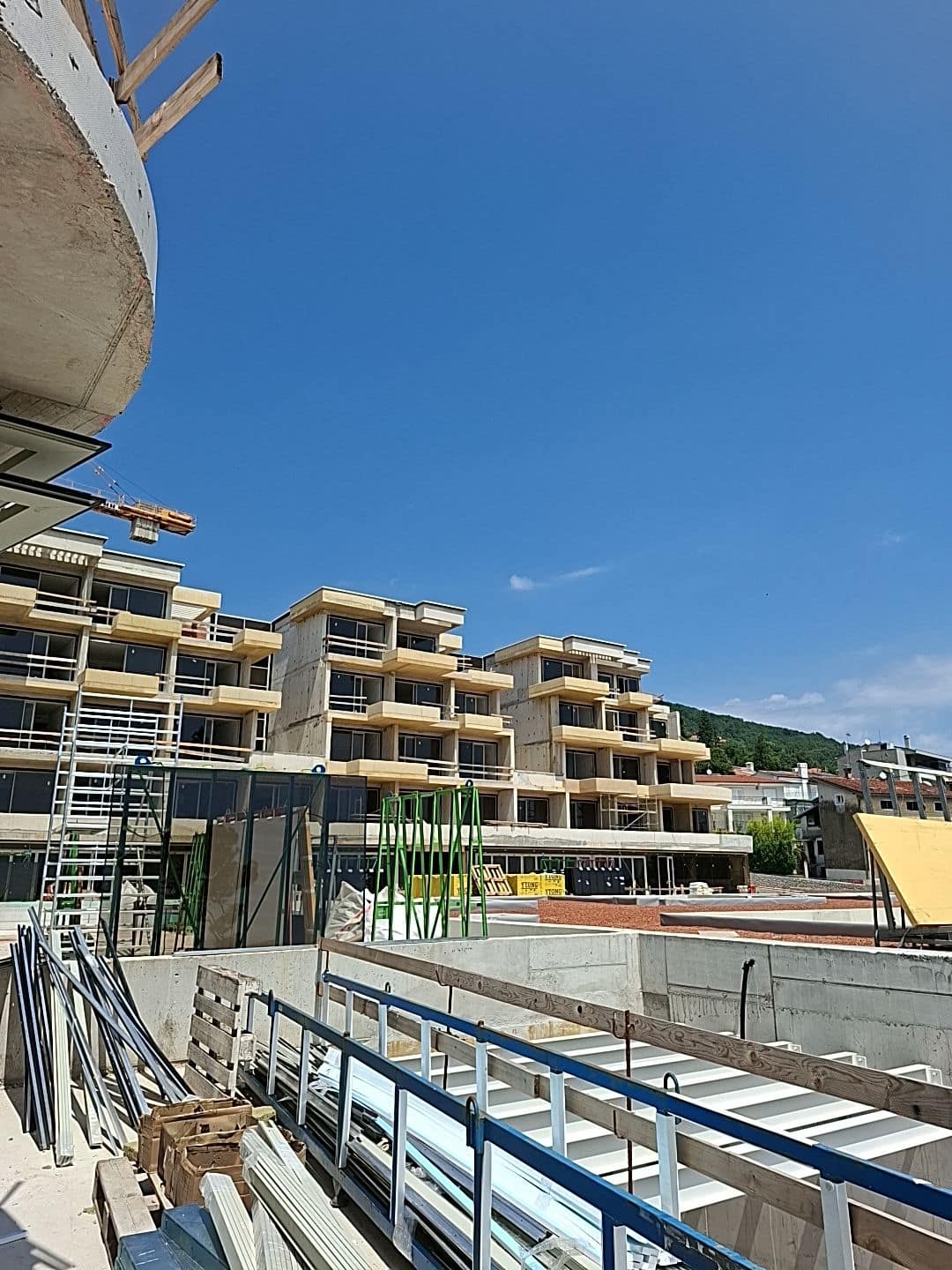
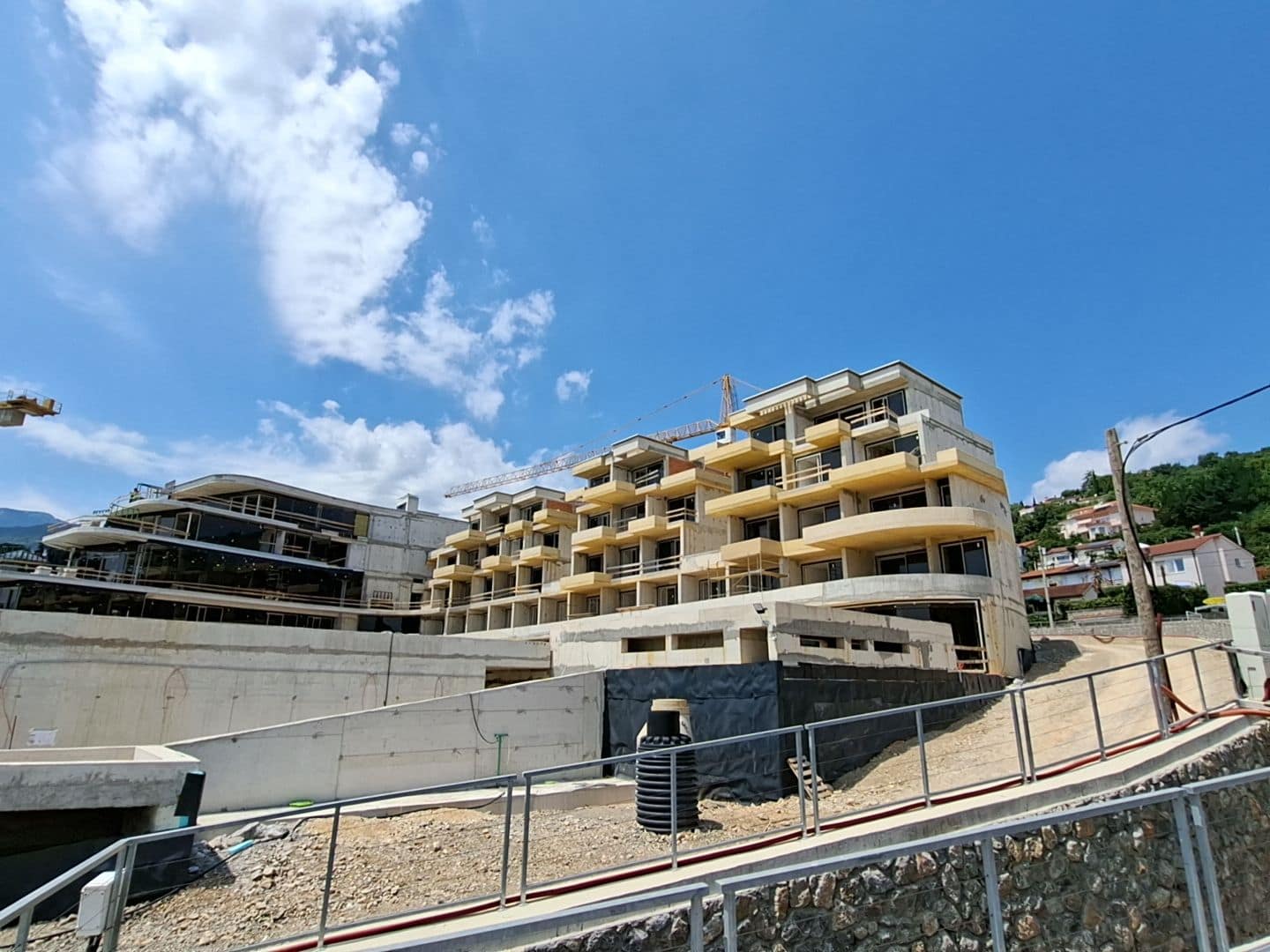
Construction of the Marriott Ičići complex
09 — Delivery

From first works to final detail.

Three or four sentences on what delivery actually involved: contracting model, peak workforce, number of subcontractors, and the constraint of building on an active coastal location.

Drone · timelapse · site film
What to supply
  • Video: 30 to 60 seconds, horizontal, 1920×1080 or larger. Drone orbit, construction timelapse or a slow walk through the finished building all work. No voiceover needed.
  • What does not work: vertical phone clips, a burned-in date stamp, anything under 10 seconds.
  • With no video this runs as a full-width photograph. One strong image beats weak footage.
10 — Complexity

A project measured in more than square metres.

The opening figures show scale. These show what it took to hold together.

XXPermits & approvals obtained
XXConsultants & design disciplines
XXContractors & subcontractors
XXConstruction phases
XXPeak workforce on site
XXMonths on site
What to supply
  • These are the numbers competitors cannot copy. Anyone can state a GDA. Almost nobody publishes how many approvals they carried.
  • Take them from project records, not memory. A figure that has to be estimated stays out.
  • Six maximum, none repeated from the opening section.
11 — The team

Behind every complex project is a team making thousands of decisions.

Portrait
4:5 · natural light

Name

Role on the project
One sentence, in their own voice, about what they were responsible for.
Portrait
4:5 · natural light

Name

Role on the project
One sentence about the hardest decision they had to make here.
Portrait
4:5 · natural light

Name

Role on the project
One sentence about what the investor never had to worry about because of them.
What to supply
  • Three to five people, and only people who genuinely worked on this project.
  • Consistent portraits, 4:5, same treatment throughout. Mixed sources look worse than no portraits.
  • Better than portraits: 15 to 20 seconds of each person answering one question on camera.
12 — The investor A quote that names something specific DDG did, and what it was worth.
NamePosition, company
What to supply
  • The quote must name a specific contribution. "Professional and reliable" is worth nothing. "They resolved the permitting position that had blocked the site for four years" is worth the whole page.
  • Full name, position, company. An anonymous quote reads as invented.
  • Best version: 30 to 45 seconds of the investor on camera, with the written quote as the caption.
  • How to get it: ask what the situation was before, what would have happened without DDG, and what they would tell someone considering us.
13 — The project

From opportunity to reality.

Aerial view of the completed complex
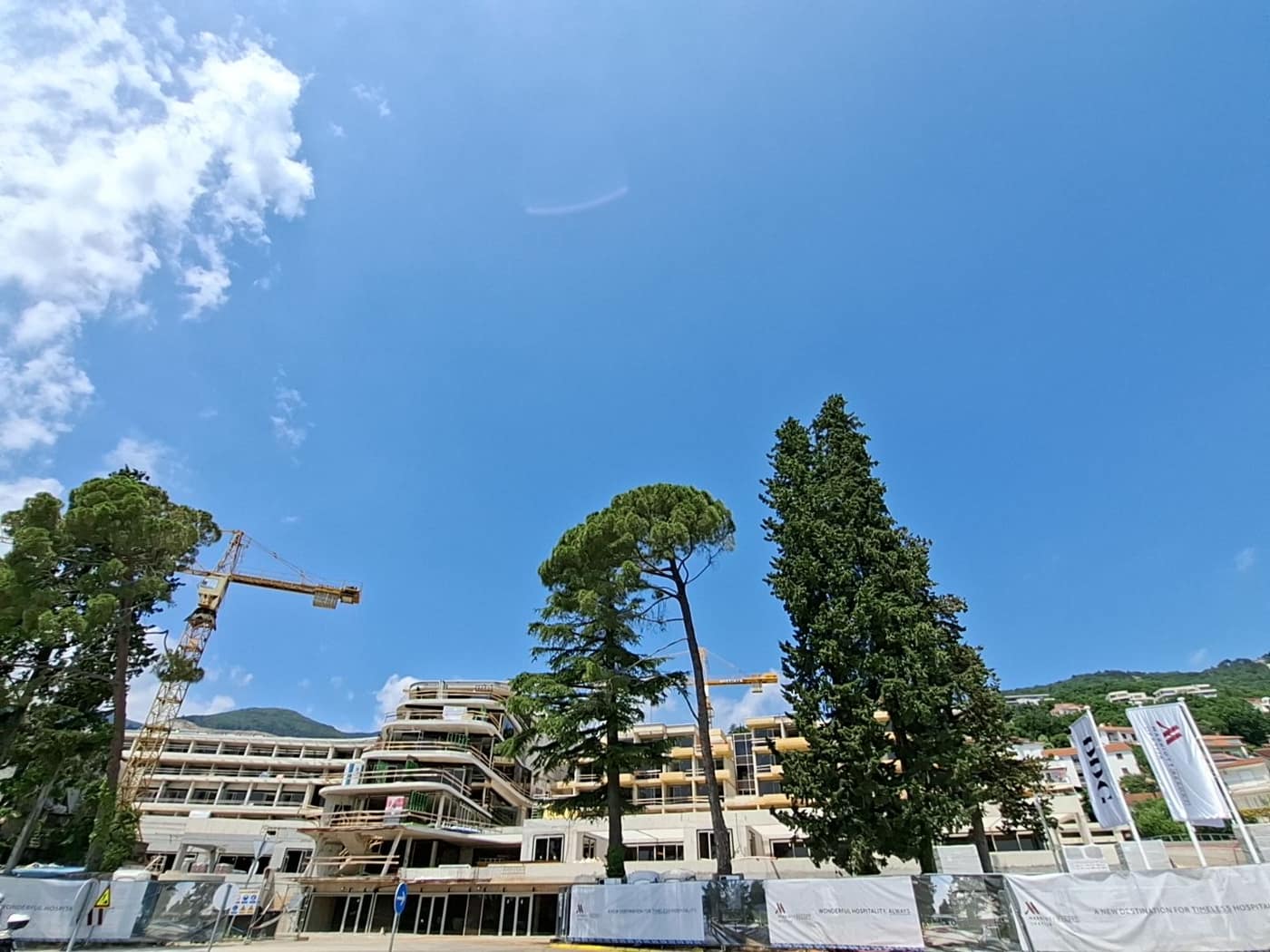
Facade under construction
The interior atrium
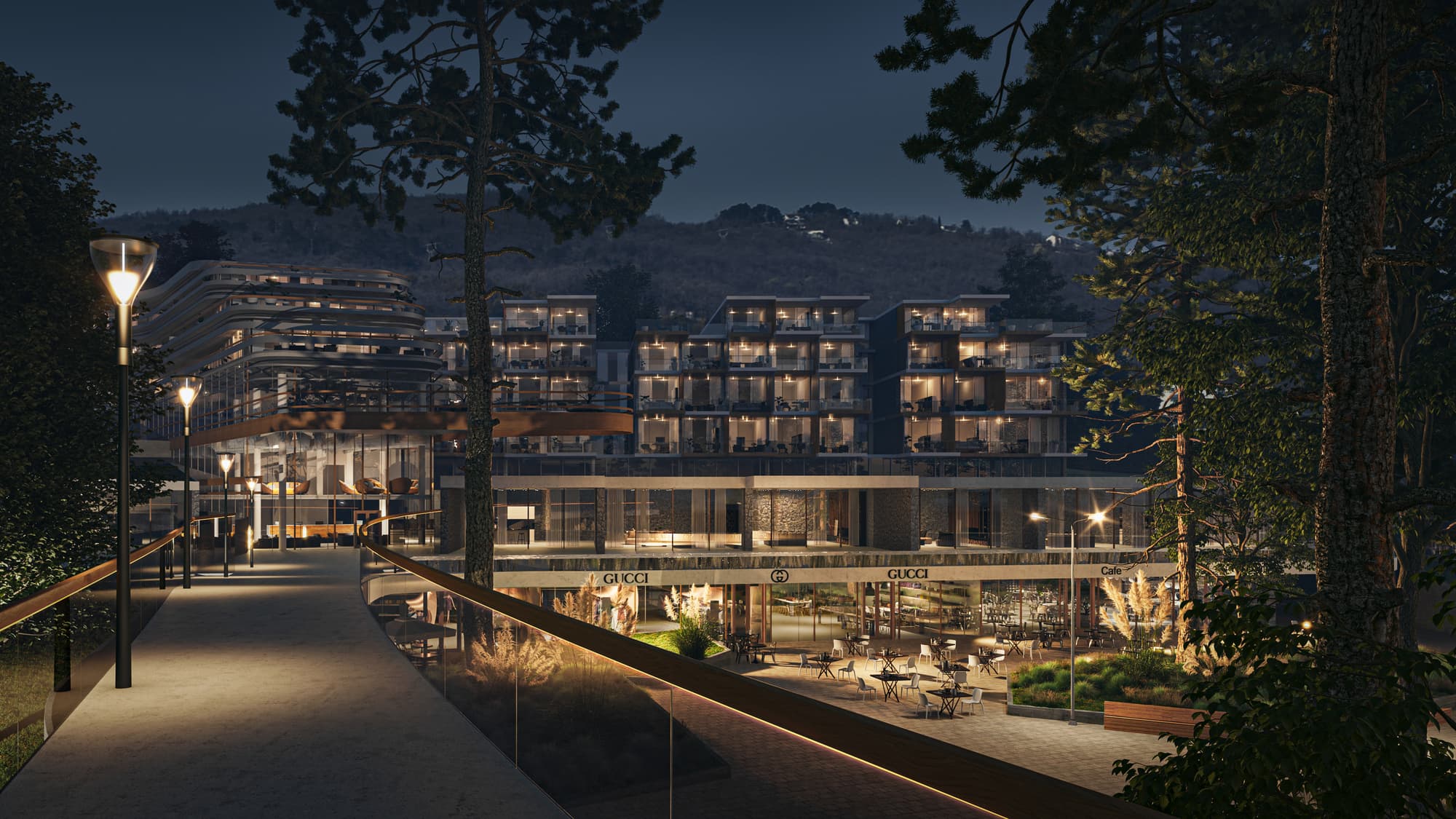
The plaza in the evening
Balcony structure taking shape
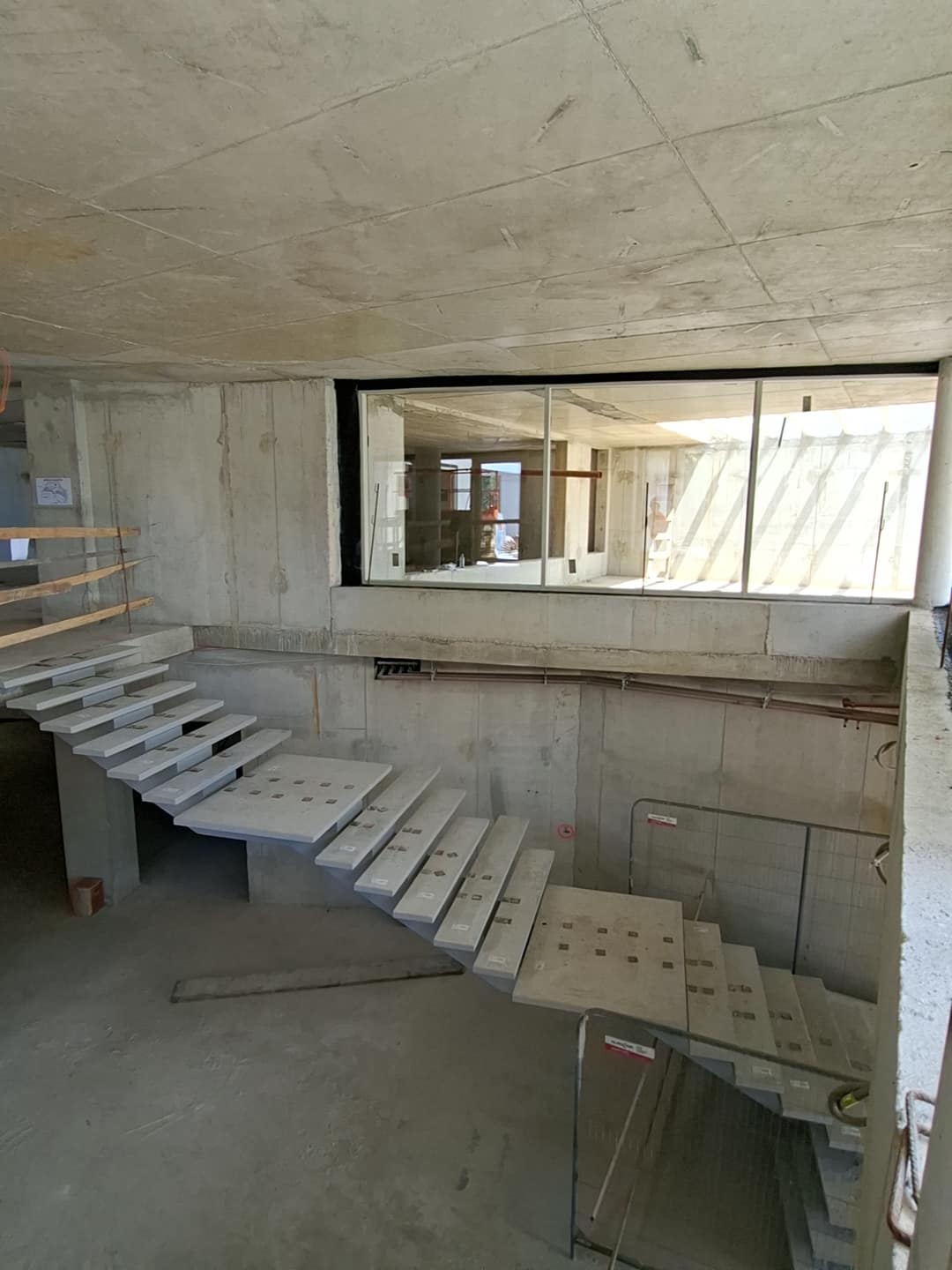
Structural works inside the building
Site hoarding carrying the Marriott and DDG marks
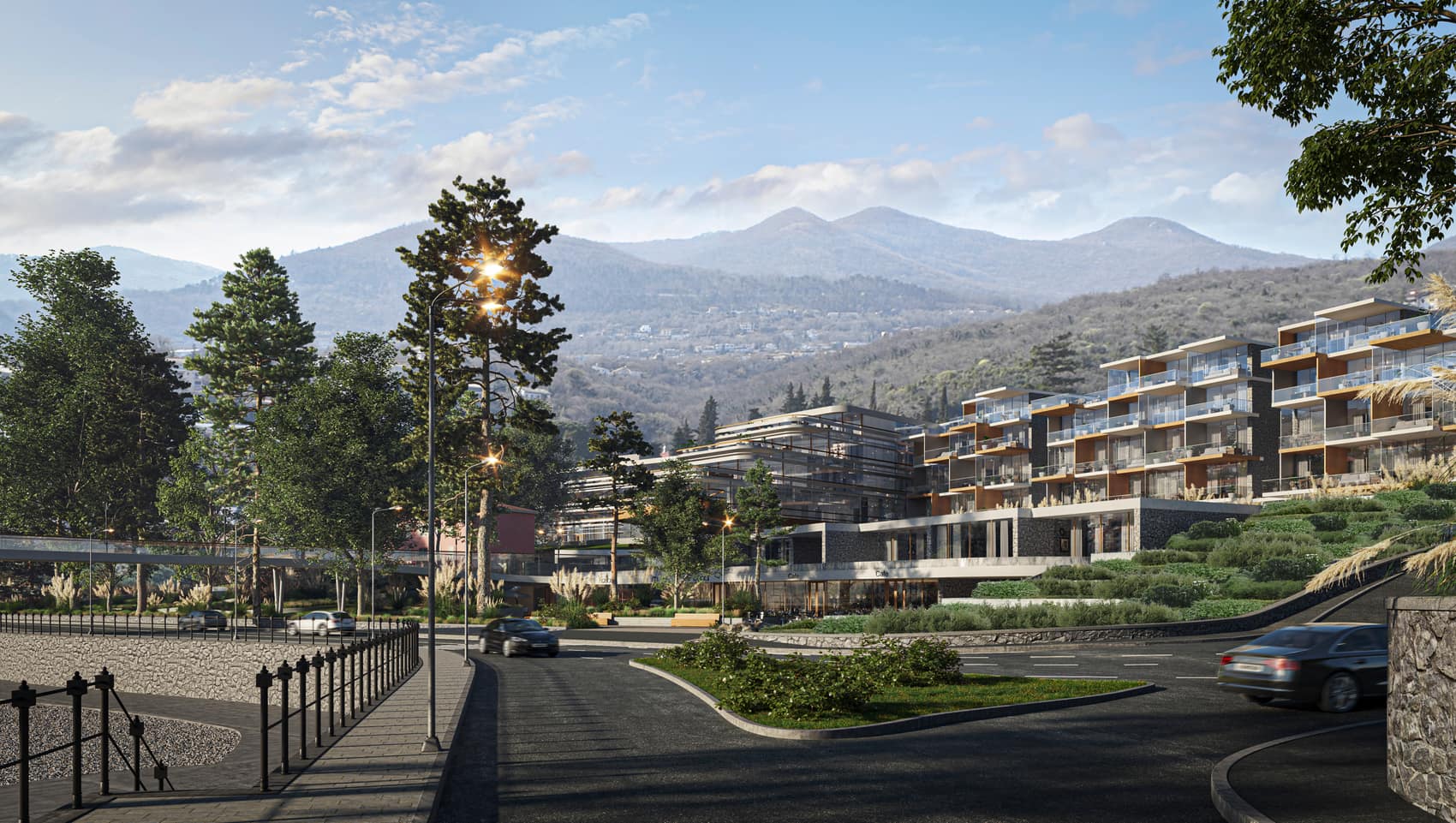
The approach to the complex
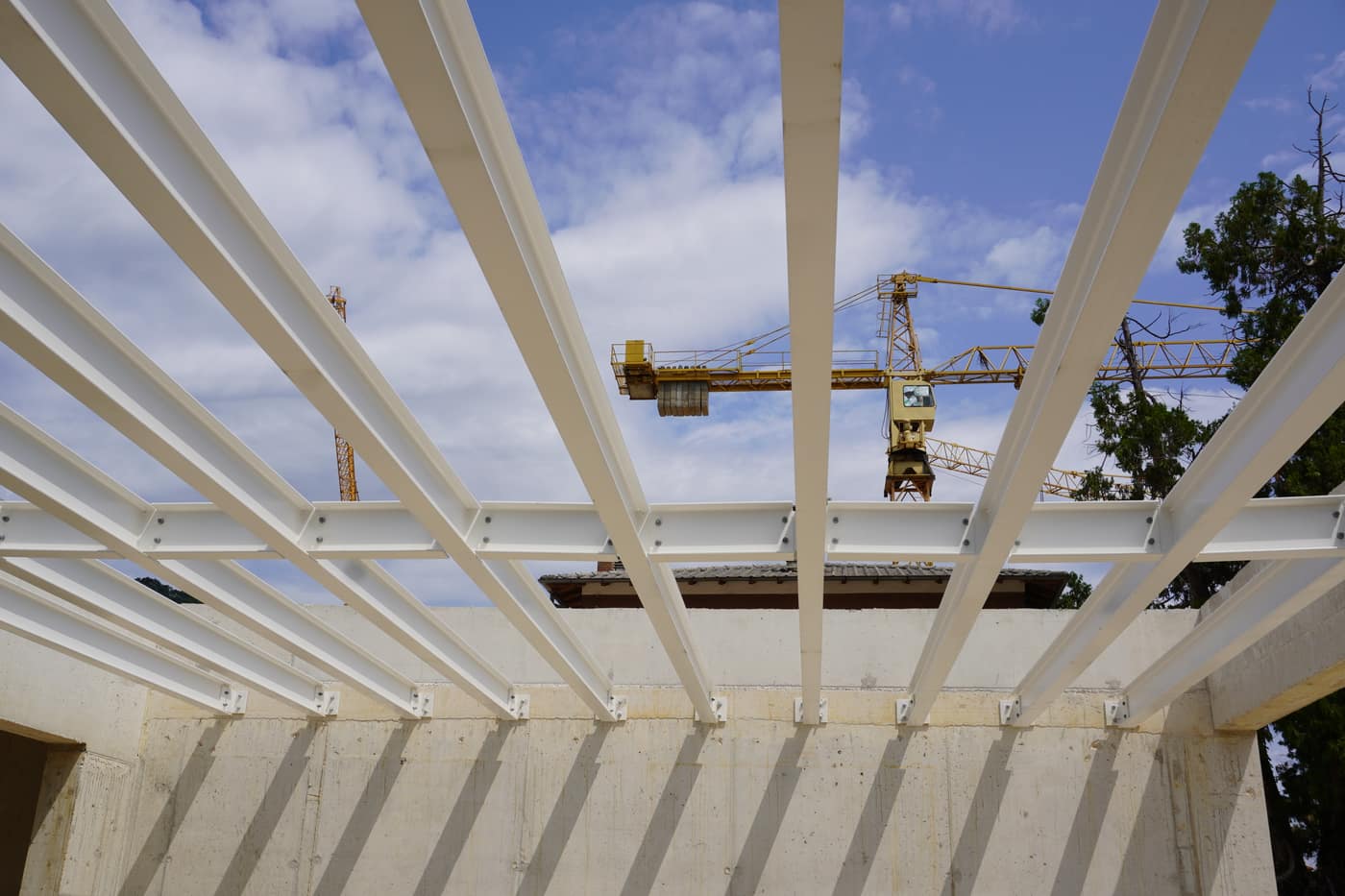
Structural steel detail
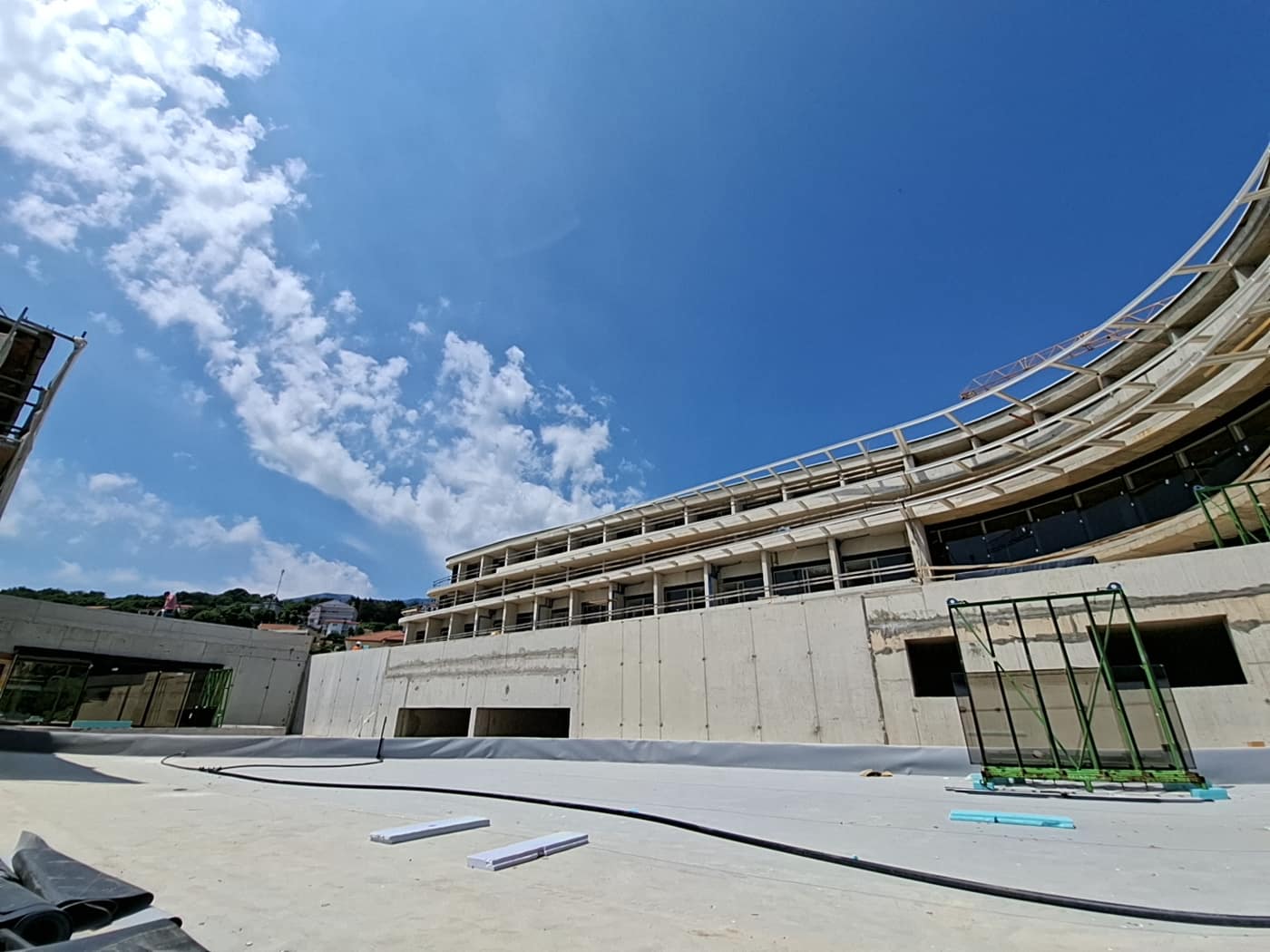
The curved structure taking shape
What to supply
  • 8 to 12 images, at least 2000 px on the long edge, original files rather than exports from a presentation.
  • Cover: exterior hero, aerial, architectural detail, interior, landscaping, the building in use, one evening shot.
  • Missing on this project: photography of the finished building. The gallery above is carried by renders and construction images.
  • Worth commissioning: half a day of architectural photography once the hotel is operating. It is the highest-value asset for every future case study, proposal and pitch.
14 — The result

What changed?

22.500Delivered gross development area
185Units handed over
100MInvestment delivered
XXMonths, mandate to opening

Close with what the project achieved for the investor, not with the fact that it was completed.

The commercial outcome: the asset that now exists, what it earns or is valued at, the operating agreement it secured. If those figures are confidential, describe the change in the asset itself.

Then the wider outcome: what it meant for Ičići and the Opatija Riviera, and what it established as the first Marriott-managed hotel in Croatia.

What to supply
  • Never end on "the project was successfully completed." That is the sentence every competitor also writes.
  • Answer instead: what does the investor own now that they did not own before, and what is it worth.
  • If figures are confidential: occupancy, ADR band, the operating agreement secured, an award, or the valuation uplift as a multiple.
The mandate in full

One partner, from first assessment to final delivery.

01

Development

Opportunity assessment, feasibility, investment case.

02

Design

Concept, architecture and engineering coordination.

03

Approvals

Planning, permitting, authority coordination.

04

Management

Budget, schedule, stakeholders, quality.

05

Construction

Tendering, execution, site management.

06

Completion

Technical acceptance, handover, opening.

15 — Content checklist

What we need from you to build this.

Everything below turns the placeholders on this page into a finished case study. None of it has to be written or designed by you, only supplied.

Facts & figures

  • Duration in months, mandate to opening
  • Key dates: mandate, permit, works start, acceptance, opening
  • Permits and approvals obtained
  • Consultants, contractors and subcontractors
  • Construction phases and peak workforce
  • Investment value, or a substitute if confidential

The story

  • What stood on the site and why it stayed undeveloped
  • What the investor wanted to achieve
  • Three to five real obstacles, each with a consequence
  • One moment where the outcome was at risk
  • The decision DDG took and what it changed, measurably
  • What DDG was contractually responsible for deciding

Photography

  • The site before works, aerial if it exists
  • A matched before and after pair, same position
  • Construction progress across the programme
  • 8 to 12 images of the finished building, 2000 px or larger
  • Three to five team portraits, 4:5, shot consistently
  • Original files, not presentation exports

Video & voices

  • 30 to 60 seconds of drone, timelapse or site footage
  • One investor quote naming a specific contribution
  • Full name, position and company for attribution
  • Ideally 30 to 45 seconds of the investor on camera
  • 15 to 20 seconds per team member, one question each
  • Horizontal, 1920×1080 or larger, no date stamp
Next

Have a project with potential?

Whether you own land, are evaluating an investment, or need a partner to lead a complex development, DDG defines the path from opportunity to delivery.